How much does a new garden fence cost?
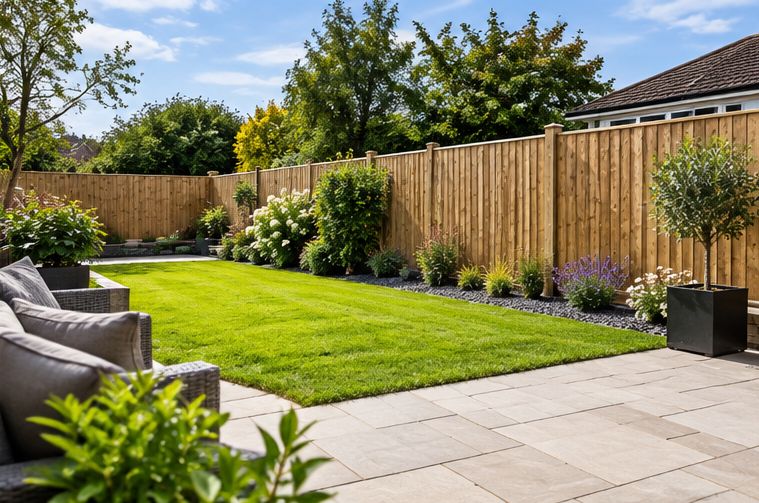
The main factors are the length and height of the fence, the style, whether you choose timber or concrete posts, how easy it is to get materials in, the ground conditions, and whether an old fence needs taking down and taking away. Gates add to the job too. We measure up on site and give you a free quote.
Which type of fence is strongest in the wind?
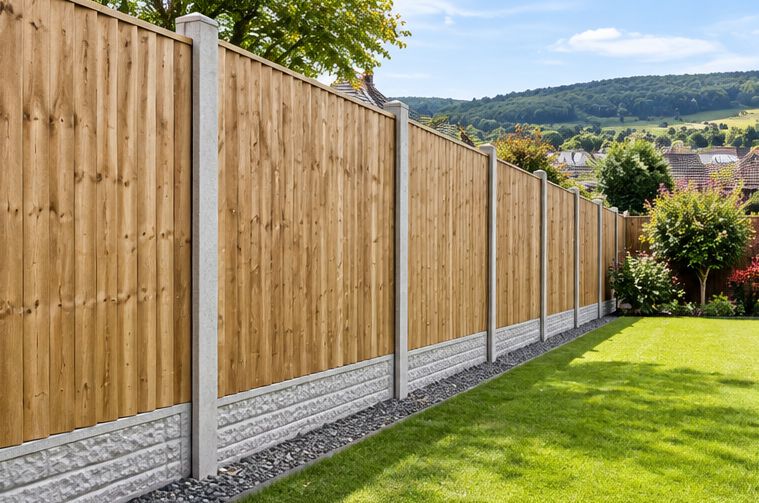
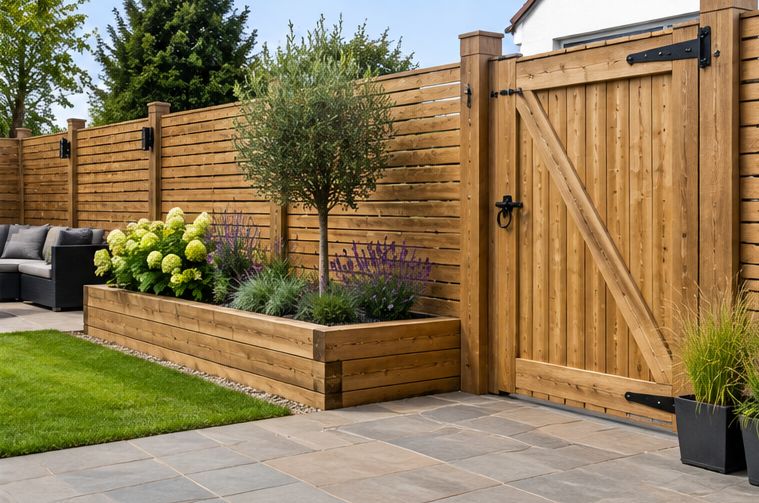
Close board fencing on well-set posts, especially concrete ones, stands up very well. Slatted and hit and miss designs also cope well because some wind passes through. Thin overlap panels on shallow posts are the ones that tend to blow down.
Do you take the old fence away?
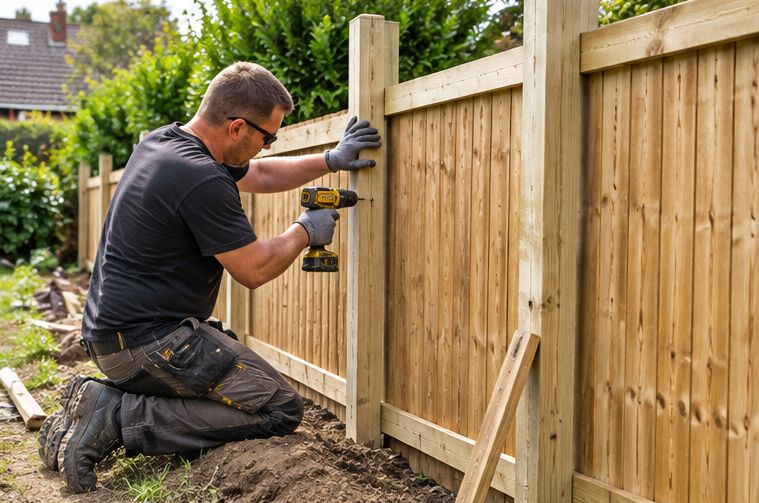
Yes. We can take down your old fence and remove the timber, posts and concrete as part of the job, so you are left with a clean boundary. Just mention it when you ask for a quote.
Can you fence a sloping garden?
Yes. Panels can be stepped down the slope with the posts set at different heights, or close board can be built to follow the ground more closely. We will suggest whichever suits the fall of your garden and the look you want.
Can you just replace a few broken panels or posts?
Often we can. If the rest of the fence is sound, replacing a few posts or panels is a sensible repair. If most of the posts are rotten, we will explain why a new fence may be the better use of your money.
Do I need planning permission for a new fence?
Most back garden fences at normal heights do not need permission, but taller fences, fences next to a road or footpath, and work at listed buildings or in conservation areas can. Rules change, so please check with your local council if you are unsure. It is also worth talking to your neighbours before replacing a shared boundary.
How long does a timber fence last?
It depends on the quality of the timber, how well the posts are set, how exposed the garden is and how the fence is looked after. Keeping soil and plants off the boards and treating the timber every few years all help it last longer.