Landscaping & Garden Design
The planning and building of the whole garden: layout, levels, drainage, hard surfaces and planting brought together in one design. This is where most of our bigger projects start, and it is the page you are reading now.


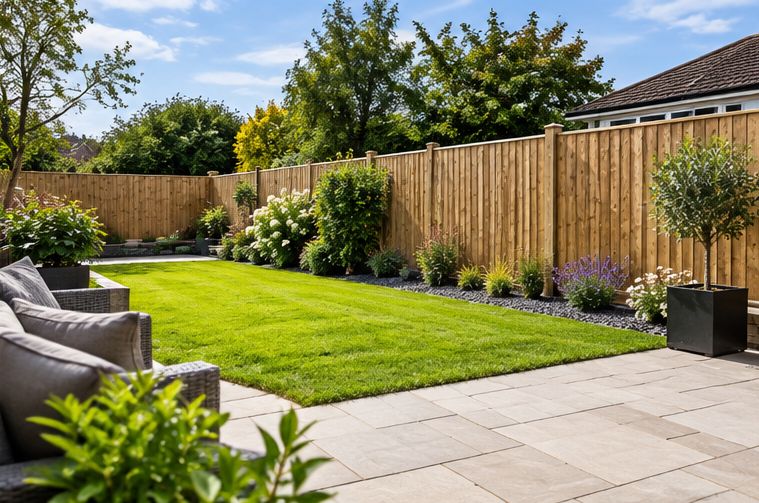
Landscaping is the whole job of turning a plot of ground into a garden that works: deciding what goes where, getting the levels and drainage right, building the hard surfaces and walls, then bringing it to life with lawn and planting. T J Landscapes does all of that, from a first sketch on the back of a quote to the last barrow of bark.
Tony and the team are based in Pontypool and work right across South Wales, from coastal gardens in Penarth and Port Talbot to steep valley terraces and high, wet plots on the edge of the Brecon Beacons. This page explains how we approach a landscaping project, and links through to the town pages and advice guides if you want the detail for your own area.
A full garden project usually draws on several of these. We handle them together, so the patio, the walls, the fence and the lawn are planned as one job rather than four.
The planning and building of the whole garden: layout, levels, drainage, hard surfaces and planting brought together in one design. This is where most of our bigger projects start, and it is the page you are reading now.


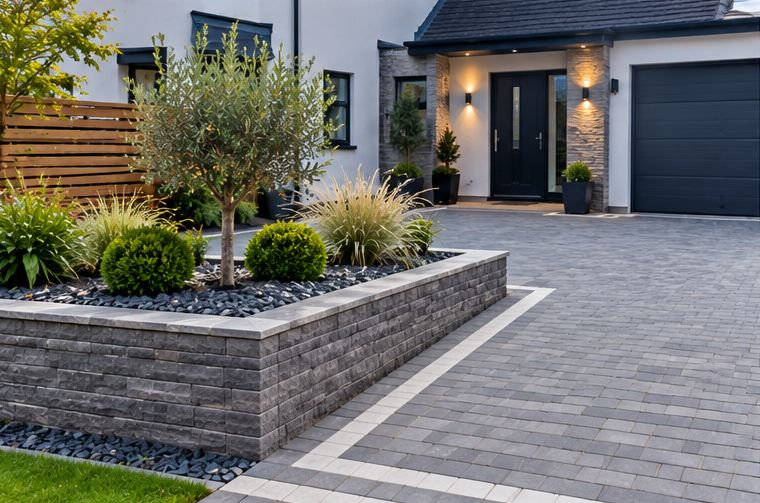
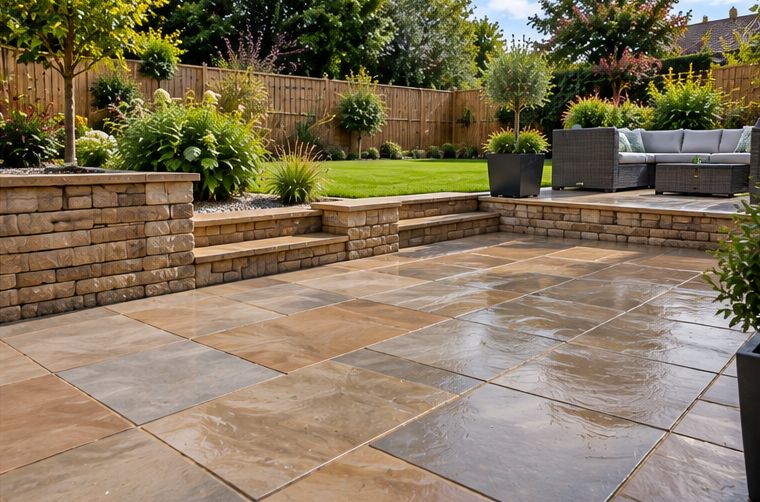
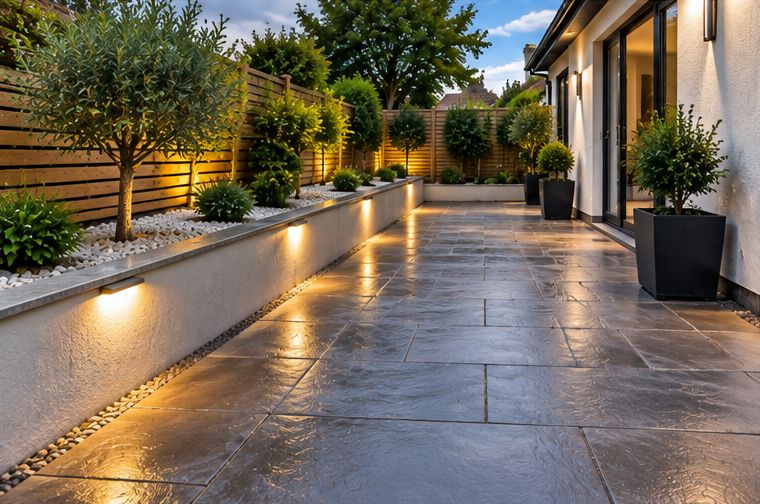
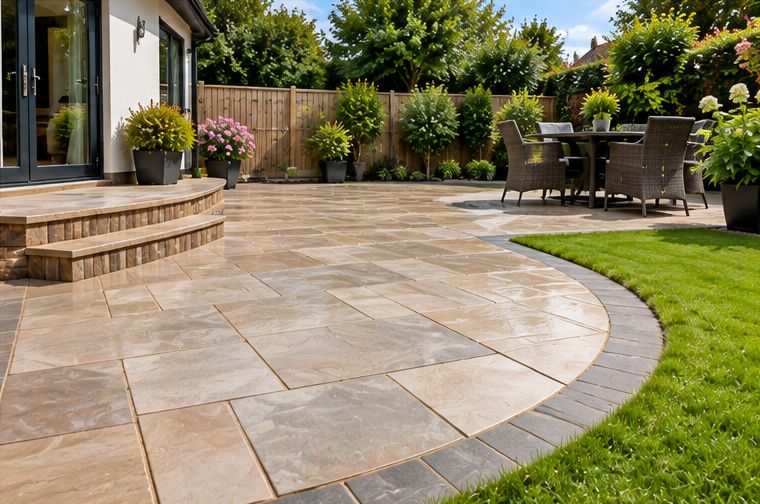
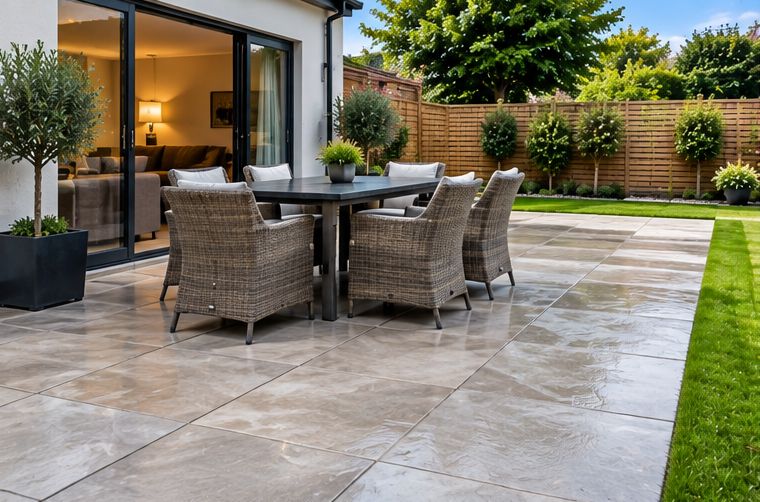
Slab patios, block paving, paths and driveways, laid on a properly compacted sub-base with a fall that sends rainwater away from the house. See our patio and paving page for materials and finishes.


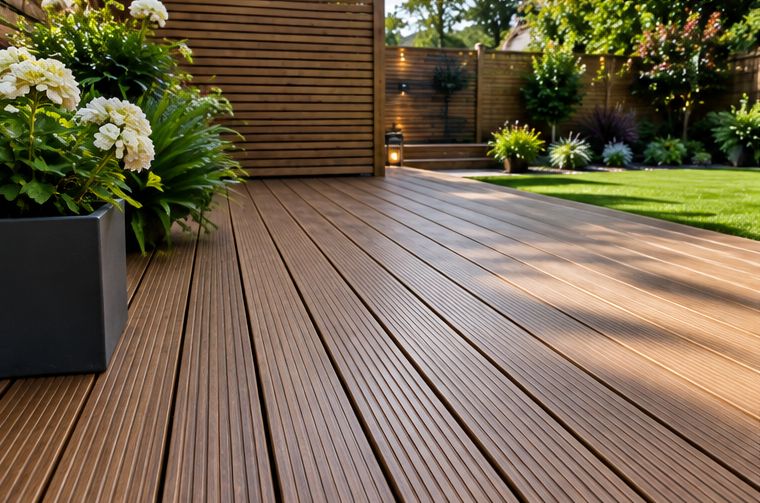
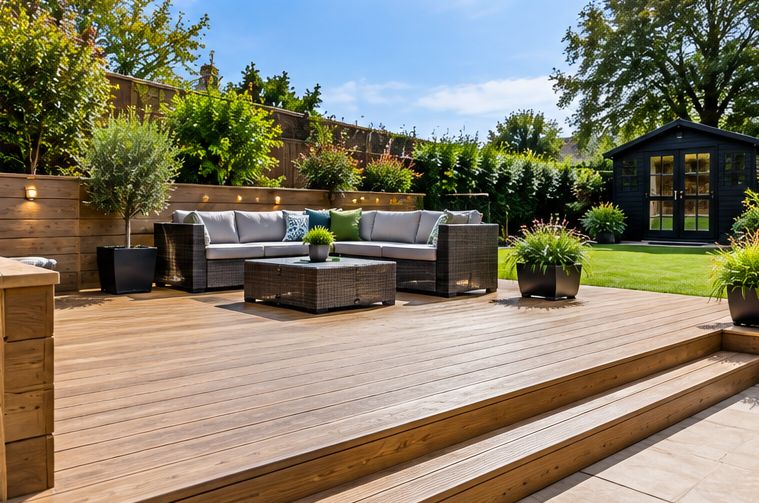
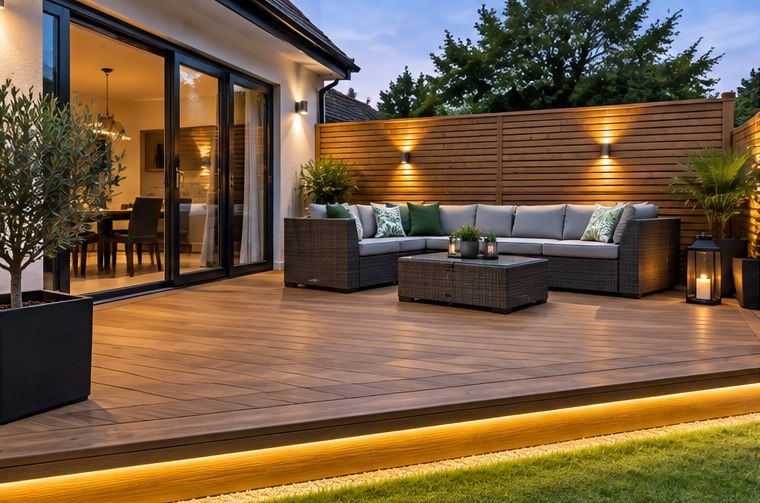
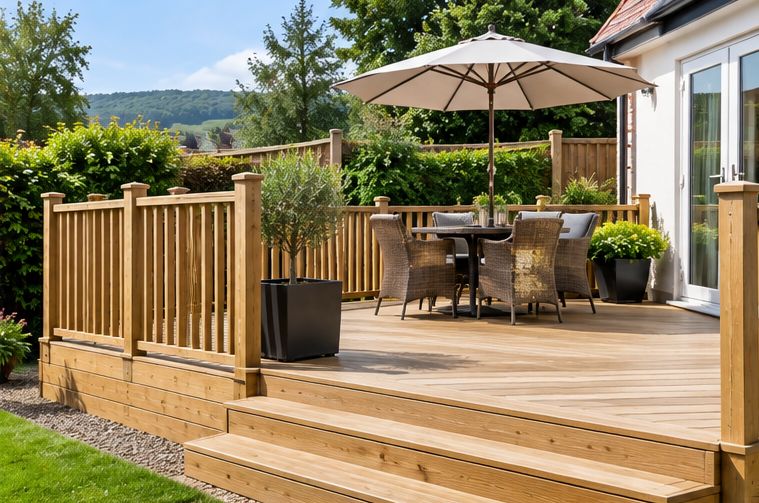
A deck is often the quickest way to create a level seating area on sloping or uneven ground. We build in timber and composite, with the frame and fixings chosen for damp Welsh weather. More on our garden decking page.


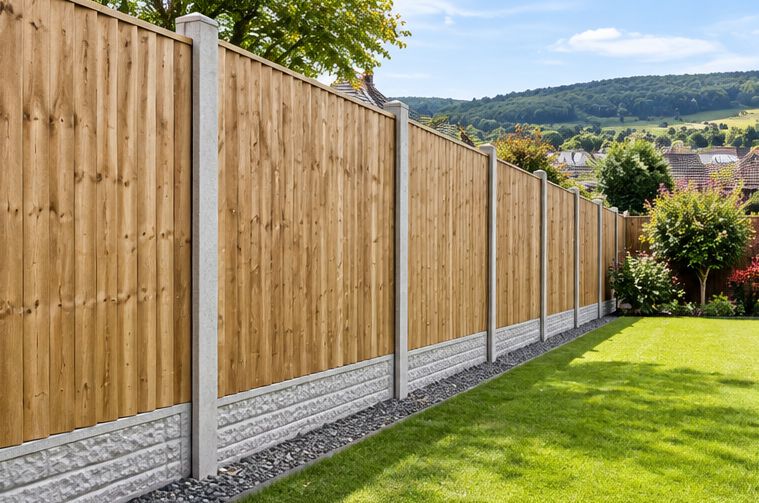
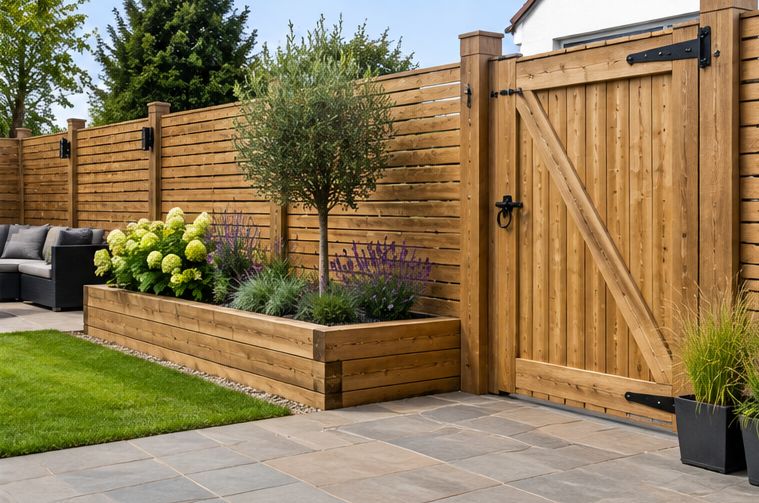
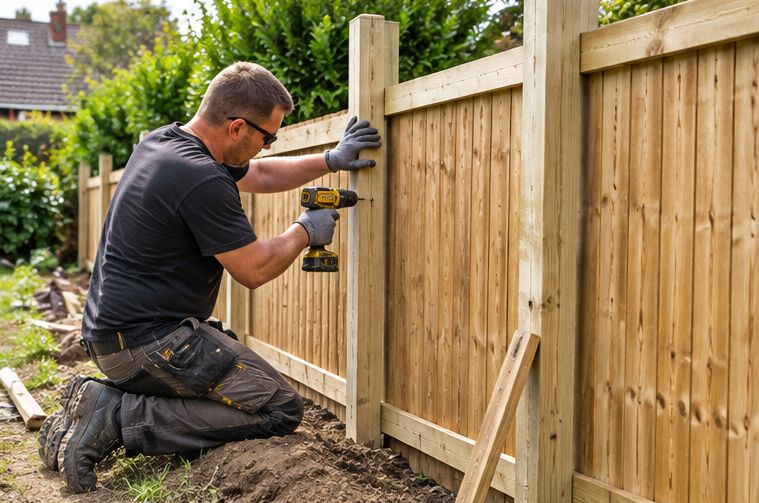
Boundaries frame the whole design, so we plan fence lines, gates and screening alongside the layout. Panels, close board, featheredge and post and rail are all covered on our fencing services page.


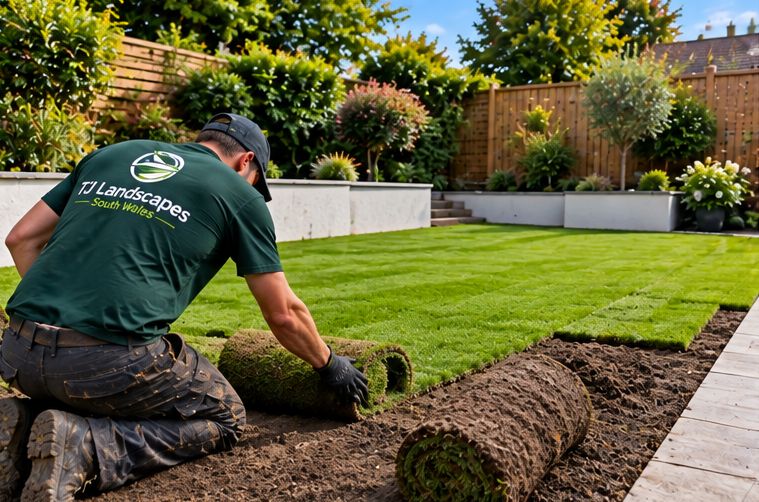
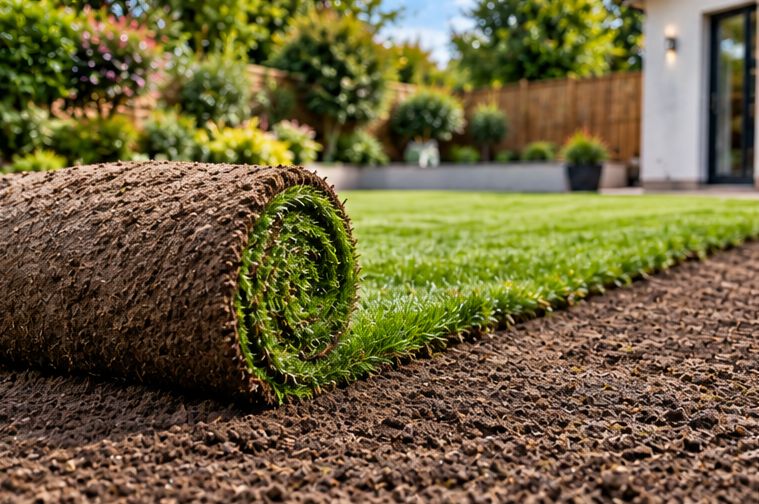
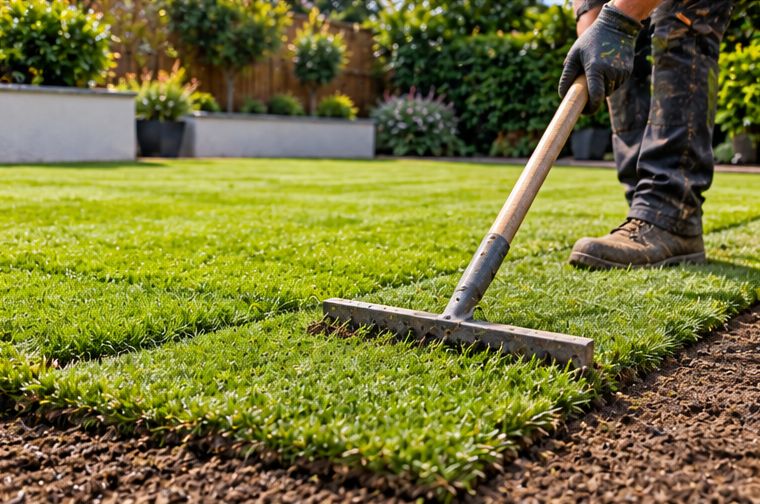
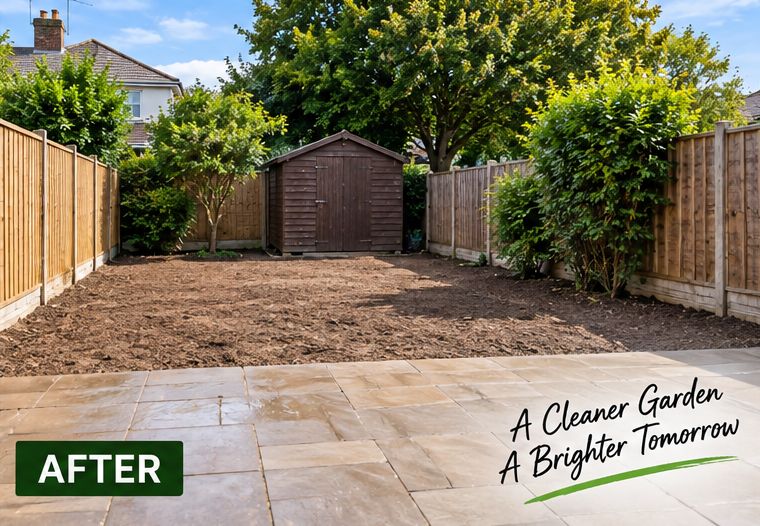
A new lawn is only as good as the ground under it. We clear, level and prepare the soil, add topsoil where it is thin, then lay fresh turf. Read more on our turf laying page.


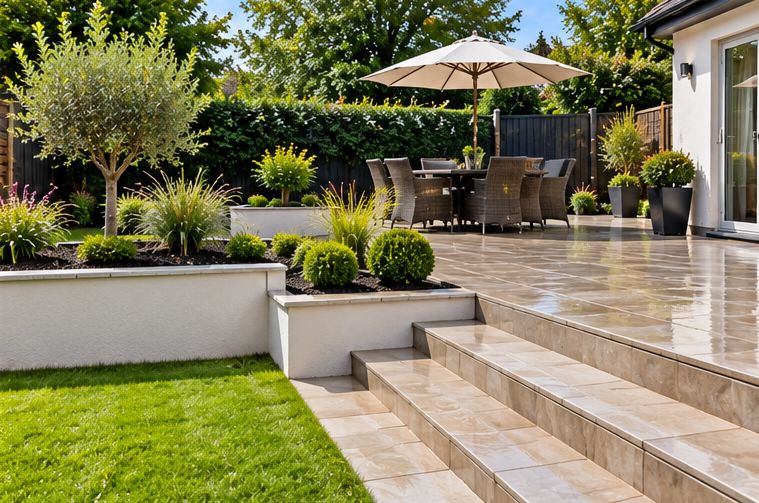
Garden walls, retaining walls, raised beds, piers and steps in brick, block or stone. On sloping plots this is often the backbone of the design, so see our brickwork and garden walls page.


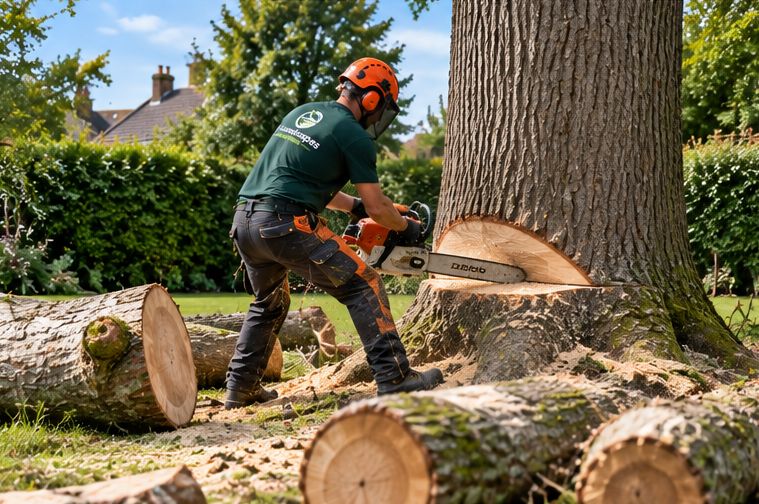
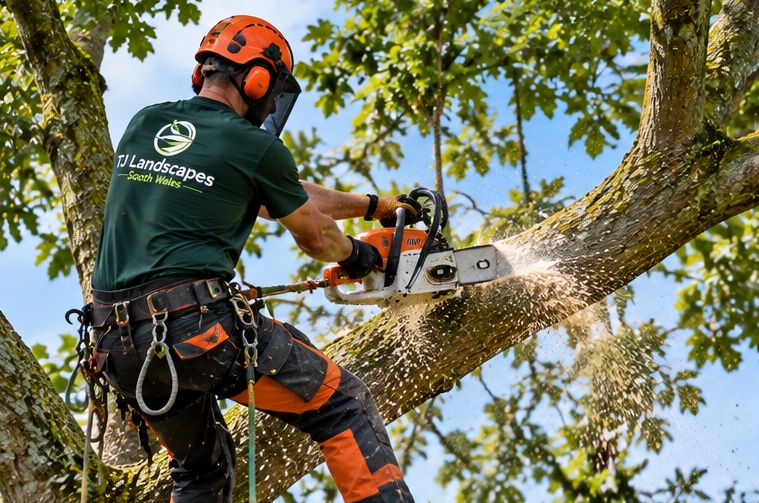
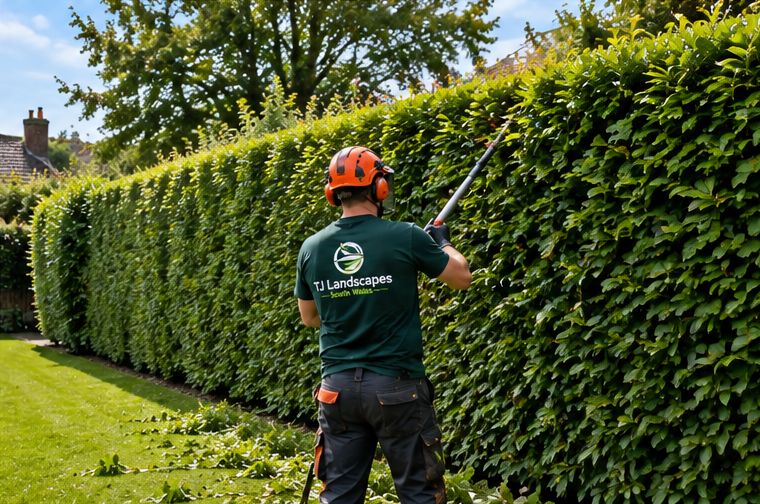
Pruning, crown lifting, felling and hedge trimming, often done at the start of a landscaping job to let light back in and free up space. Details on our tree surgery and hedge care page.


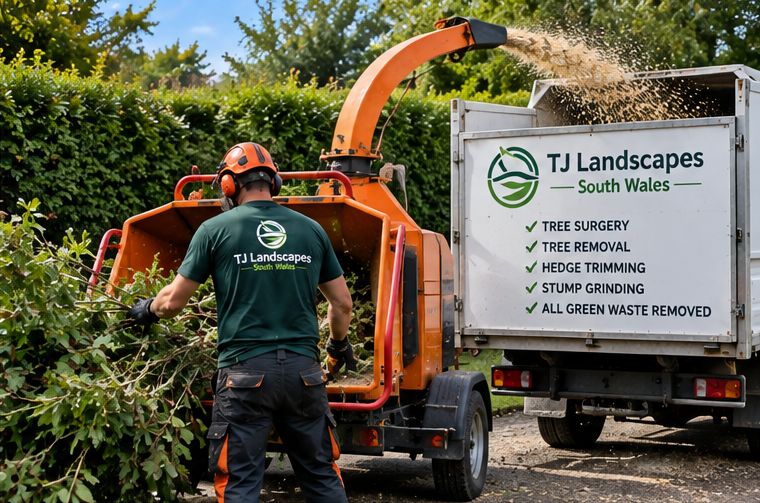
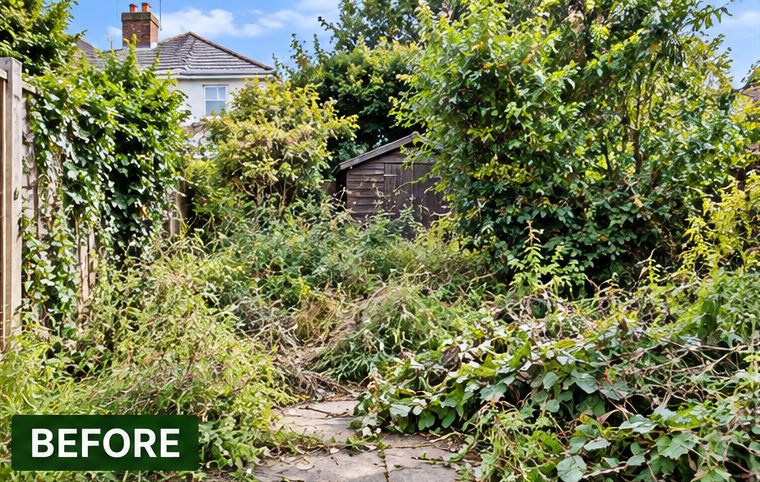
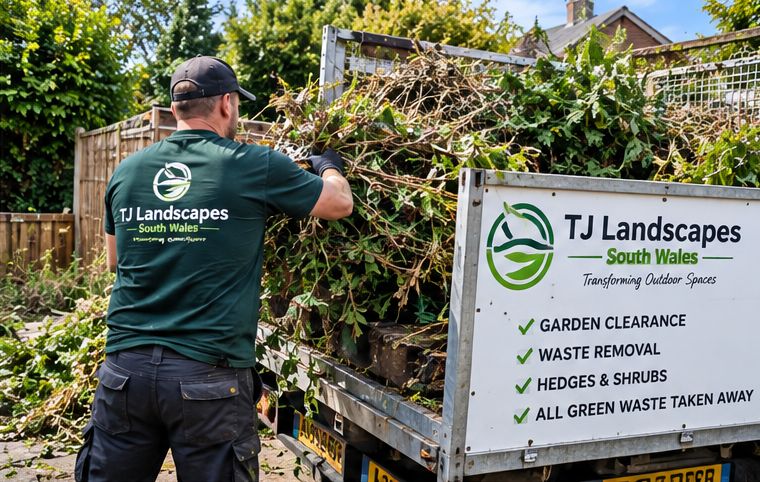
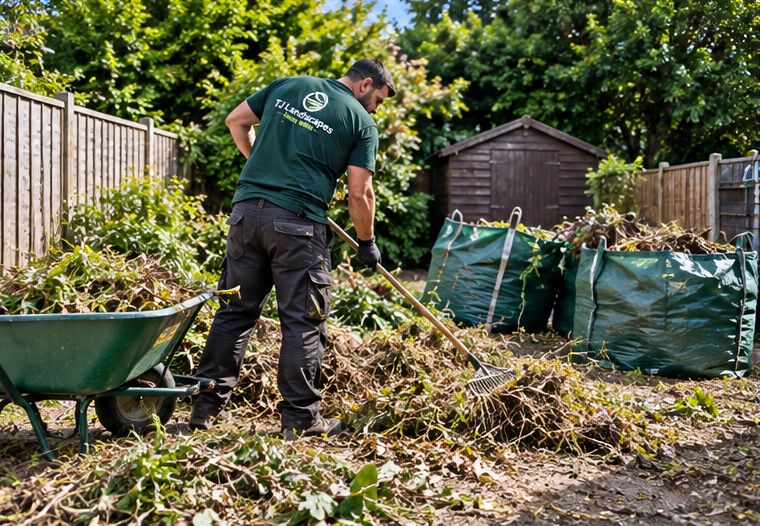
Most makeovers begin with a clear site. We strip out overgrowth, old sheds and rubble and take the green waste away, so the build starts on a blank canvas. See our garden clearance page.


Good landscaping starts with questions, not a digger. How do you want to use the space? Where does the sun land in the evening? Where does water sit after heavy rain? What has to stay, such as a mature tree, a shed or a view, and what would you happily lose? We walk the garden with you and answer those together before we talk about materials.
From there we sketch a layout. The main decisions are where the seating area goes, how you move through the garden, how much lawn you really want to mow, and how the levels will be dealt with. On a flat suburban plot that can be simple. On a sloping valleys garden the levels drive almost everything else.
We are not a drawing office, and you do not need a formal plan to get started. A clear conversation, a few measurements and an honest quote are usually enough. If you want to think it through first, our guide to planning a low-maintenance garden is a good place to begin.

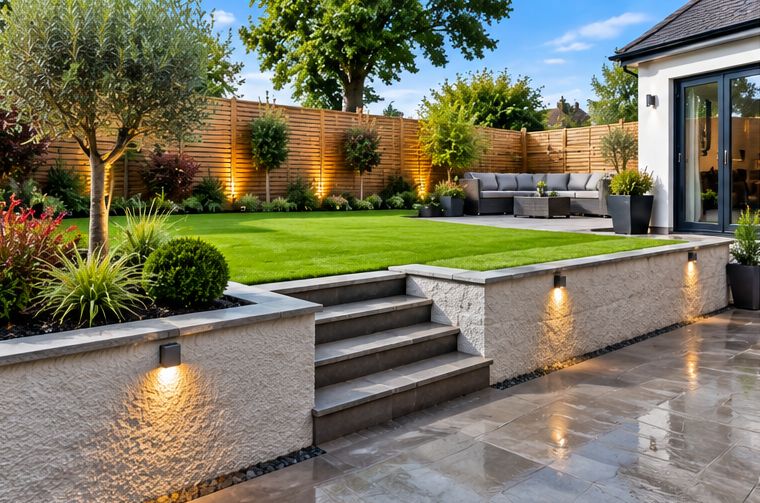
Hard landscaping is everything built rather than grown. It is the part of the garden that costs the most effort to change later, so it is worth getting right first time. When hard landscaping fails, with sinking slabs, bulging walls or puddled paths, the cause is usually what went on underneath rather than the finish on top.
Drainage deserves a special mention. South Wales gets a lot of rain, and a new patio or path changes where that rain goes. We plan the falls and outlets as part of the layout, not as an afterthought. Our guide on how to stop a garden waterlogging explains the main options, and this guide to paving in Welsh rain covers the surfaces themselves.

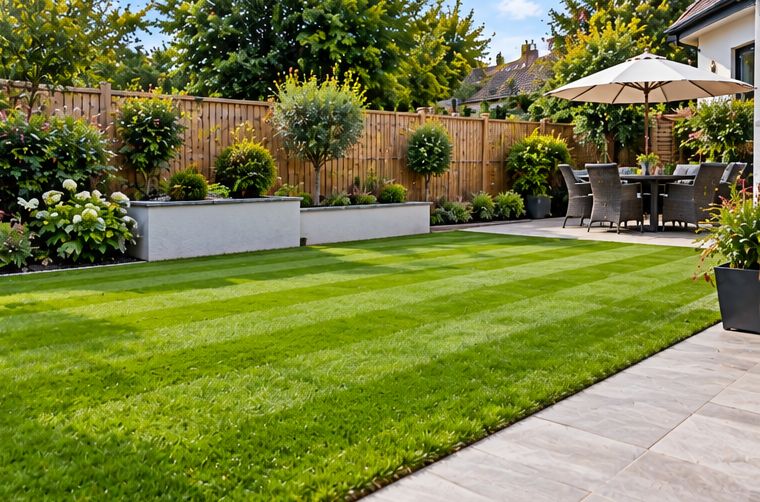
Soft landscaping is the living layer: turf, beds, shrubs, hedges, trees, and the topsoil and bark that hold it all together. It softens the hard edges and gives a garden its character, but it only thrives if the ground has been prepared properly.
On many South Wales plots the soil needs help. Valley gardens can have thin soil over stone or old building rubble. New-build gardens often have a skim of topsoil over compacted clay. We dig out, improve or import topsoil as needed before a single plant goes in, and we lay new turf only once the base is level, firm and free-draining.
Bark and mulch keep weeds down and hold moisture in beds, which cuts down on weeding. Planting is chosen for the spot: tough shrubs where wind hits, shade-tolerant plants under trees, and hedges where you want shelter or privacy without a solid fence. Where a lawn will always struggle, such as in deep shade or on a tiny yard, we will talk honestly about artificial grass or paving instead.
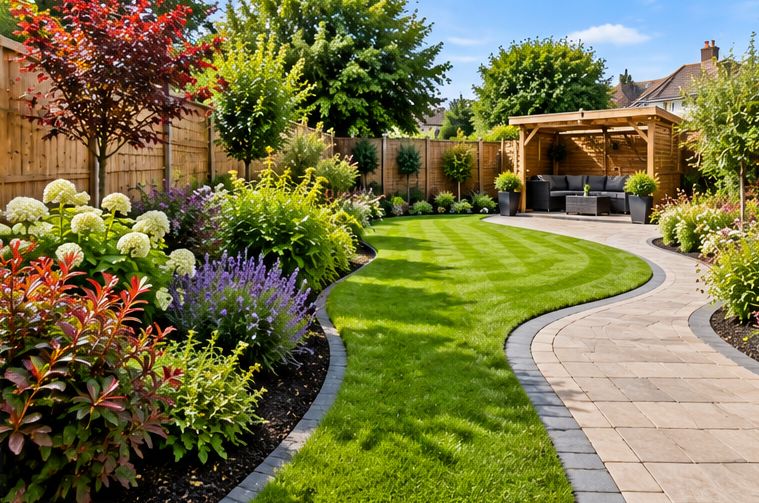
The balance between hard and soft is the real design decision. More paving and less lawn means less mowing but more water to manage. More planting means more life and colour but more upkeep. We help you find a mix that suits the time you have. For timing, see when to lay turf in South Wales.
We are a local Pontypool business working across South Wales, and we plan every garden around the ground it sits on.
Clearance, walls, paving, fencing, turf and planting are all done by Tony and the team, so there is one person to talk to and no gaps between trades.
We plan falls, drainage and sub-bases for heavy rain, and pick fixings and materials that cope with wind, frost and damp.
We visit, look at the ground and tell you plainly what will work and what will not. Quotes and advice are free, with no pressure.
Customers rate us highly on Google and Checkatrade, and you can read what they say on our reviews page.

The same patio or lawn can need quite different handling depending on where you live. Broadly, we see three kinds of ground, and each of our town pages goes into the detail for its own area.
The coast and the cities. In Cardiff and Newport many gardens are small, walled Victorian yards or estate semis with flat lawns, where the challenge is making a compact space feel bigger. In Penarth and Port Talbot wind and salt air off the sea shape the choice of fencing, fixings and planting.
The valleys. In Pontypool, Abertillery, Aberbeeg, Tonypandy, Pontypridd and Aberdare, terraced streets climb the hillsides and back gardens are often narrow, steep and reached by steps or a rear lane. Here landscaping is mostly about terracing, retaining walls, steps and getting materials in by hand. Lower down, Caerphilly and Cwmbran have more interwar, post-war and newer estate gardens on gentler ground.
The uplands and the border country. At the heads of the valleys, Ebbw Vale and Merthyr Tydfil sit higher and wetter, so drainage and wind-proof fencing matter more. Towards the Black Mountains, Talgarth and Abergavenny have cottage and country gardens with big views, while Monmouth and Chepstow bring river valley ground, period stone walls and larger rural plots.
If your garden slopes, our guide on how to landscape a sloping valleys garden walks through the options step by step.


Not everyone wants to do the whole garden at once, and that is fine. A phased plan lets you spread the work over a year or two while making sure each stage fits the finished design. The trick is doing the jobs in the right order, so nothing has to be dug up again later.
Doing it this way round means the lawn is not churned up by a skip lorry and the new fence is not scuffed by barrows. We will price each phase separately if that helps you budget, and we can leave ducting or level pads in place for the stages still to come. For what shapes the figure on a quote, read what affects the cost of garden landscaping.
Real reviews from homeowners across South Wales — rated 4.8 out of 5 on Google from 69 reviews and 10/10 on Checkatrade.
“Had my patio done by the company and could not be happier. Top quality work done and quickly too.”
“I was pleased to find Tony and his lads were absolutely great! Tony responded quickly & was very polite.”
“We were delighted with the work and materials, which were of very high quality. Tony and team helped us.”
Practical answers to the questions we are asked most, from drainage and paving to turf, fencing and tree work.


From Cardiff, Penarth, Newport and Port Talbot on the coast, through Pontypool, Cwmbran, Caerphilly, Pontypridd, Aberdare, Tonypandy, Abertillery and Aberbeeg in the valleys, up to Ebbw Vale and Merthyr Tydfil, and out to Abergavenny, Talgarth, Monmouth and Chepstow. Each town page covers its own gardens, ground and local advice.
T J Landscapes South Wales
24 Conway Road, Pontypool
Torfaen, NP4 6HL
We cover homes right across South Wales, from Cardiff and the coast up to the valleys and the Brecon Beacons.
Hard landscaping is the built part of a garden: patios, paths, walls, steps, raised beds, decking and drainage. Soft landscaping is the living part: lawn, planting, hedges and trees, along with the topsoil and bark that support them. Most gardens need both, and we plan them together.
No. We talk through how you want to use the garden, take measurements and suggest a layout as part of the free quote. If you already have a design or a sketch of your own, we are happy to work from that instead.
It depends on the size of the garden, the access, the ground conditions, the levels, the materials you choose, how much waste has to go and whether drainage is needed. Because every plot is different, the only honest answer is a free quote after we have seen it. Our cost guide explains each factor.
Yes. Gardens like this are common across the valleys. Materials often come in by hand through the house or down a rear lane, and the design usually uses terraces, steps and retaining walls to turn a slope into level spaces you can actually use.
Yes. We can plan the whole garden and then build it in phases, usually clearance and drainage first, then walls and paving, then fencing, and finally turf and planting. Each phase can be quoted separately.
Most garden landscaping does not need planning permission, but some things can, such as a new driveway surface at the front, tall fences or walls near a road, or work on protected trees or in a conservation area. We are landscapers, not planners, so we always suggest checking with your local council before those jobs. Our guide on permission for tree work covers the tree side.
Hard landscaping can go ahead most of the year, although we avoid laying paving in hard frost or very heavy rain. Turf and planting do well in spring and autumn, when the ground is moist but not waterlogged. Booking early in the year helps if you want the garden ready for summer.
Tell us a little about your garden and what you would like from it. Tony will get back to you to arrange a visit and talk through the options.